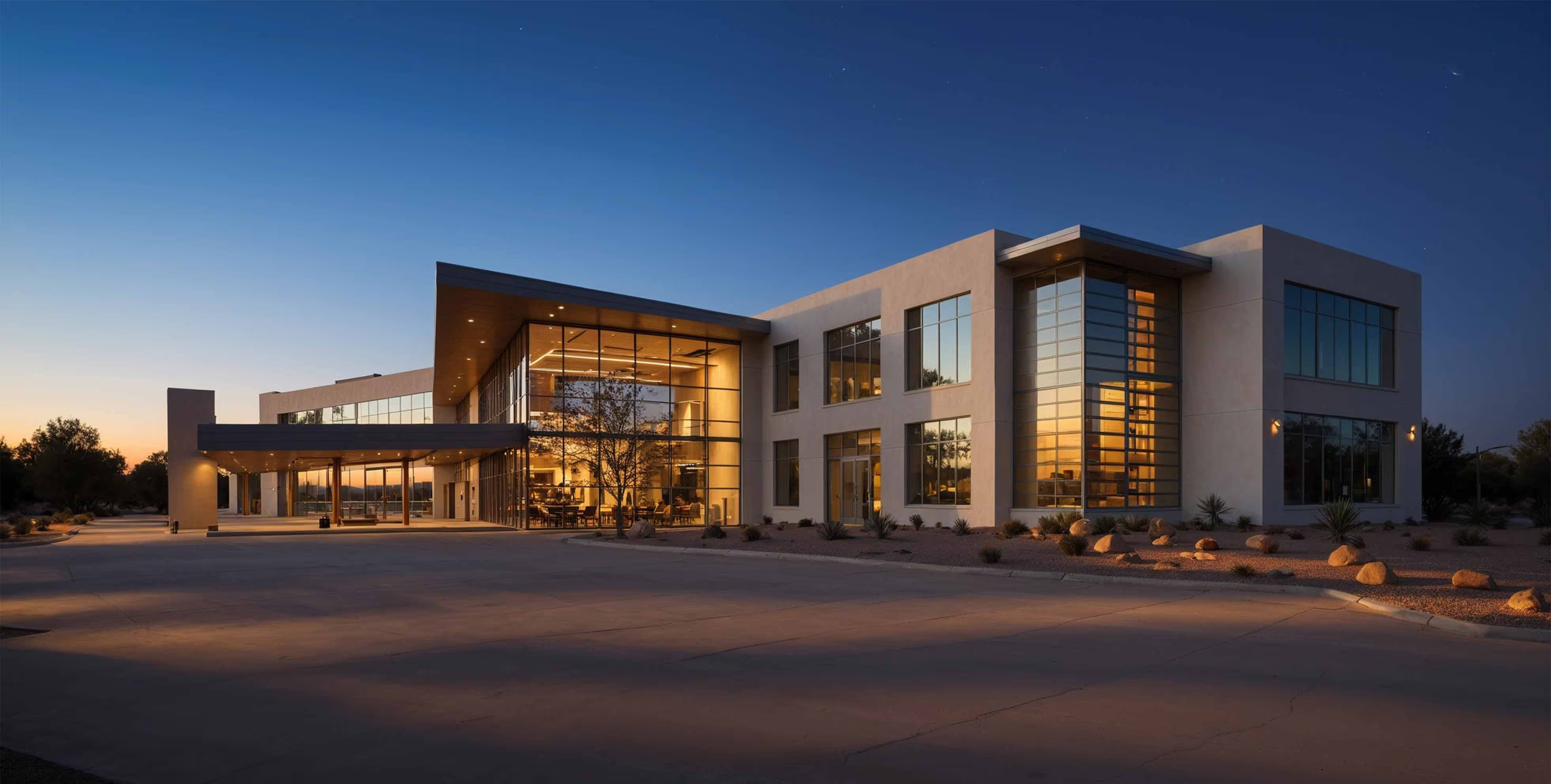
When most people think of hospitals, they picture a towering facility in the heart of a city, a place where physicians, nurses, and staff fight tirelessly to keep patients safe. But more often, the story of healthcare is unfolding in outpatient centers and medical office buildings.
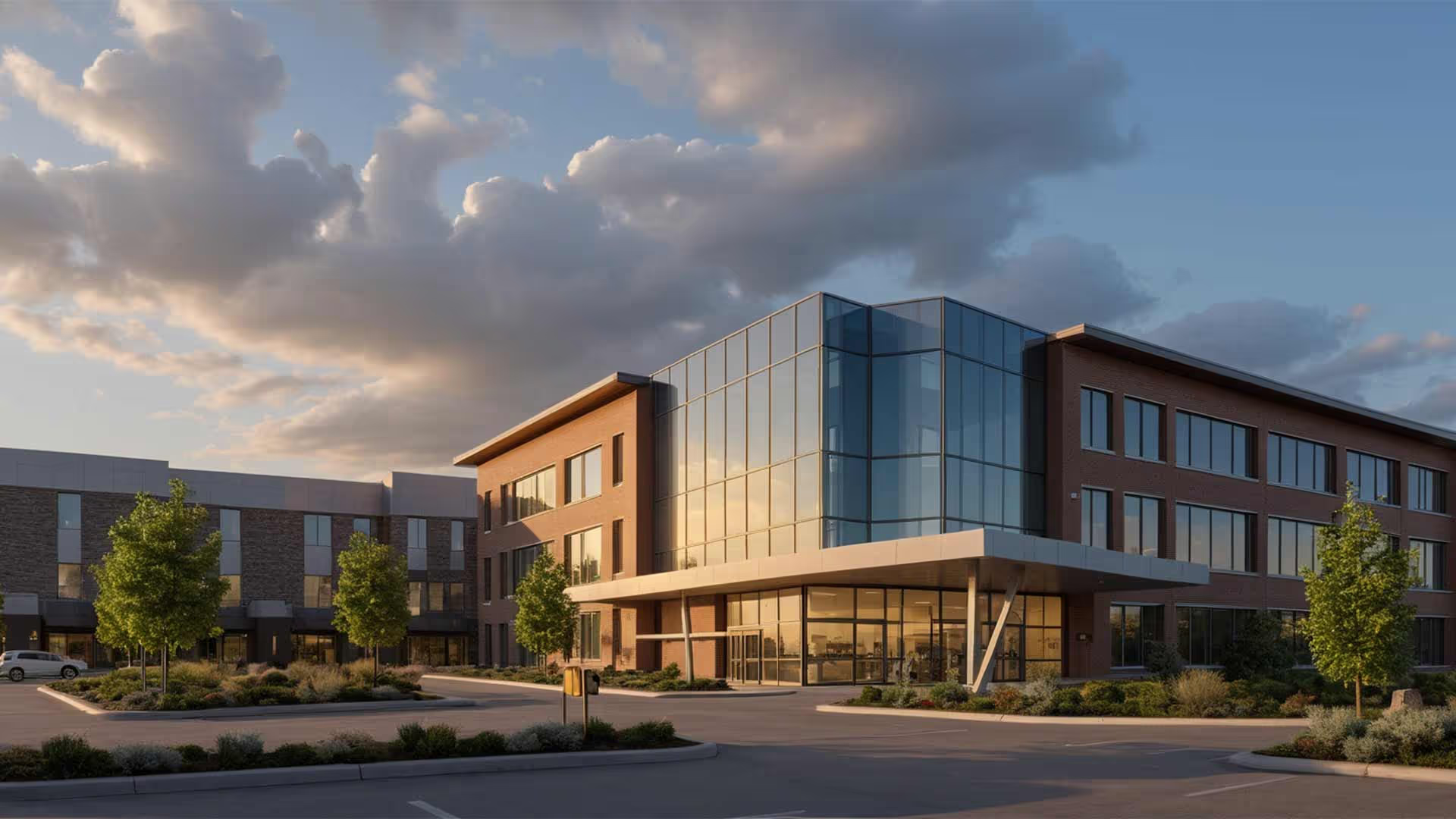
Medical office buildings shouldn’t be seen as secondary spaces, but as critical hubs where access, innovation, and patient experience converge. These buildings are where healthcare moves closer to the people who need it, where small communities gain access to specialized care, and where the physical environment directly shapes how patients feel and heal.
A New Kind of Problem to Solve
“When you build a hospital, you’re solving a healthcare problem,” said Paul Sabal (AIA, ACHA, NCARB, EDAC, LEED AP), HFA Vice President / Healthcare Practice Leader “When you build a medical office building, you’re really solving a real estate problem.”
This distinction might seem subtle, but it shapes everything from where a facility is located, to how each exam room is laid out, to how patients move through the space. In rural and suburban areas, for example, the challenge is not just providing care but figuring out how to offer flexible, telehealth-enabled spaces without overspending in places with limited reimbursement. Every decision must solve multiple problems at once: cost, efficiency, and patient experience.
The Pulse of Healthcare Trends
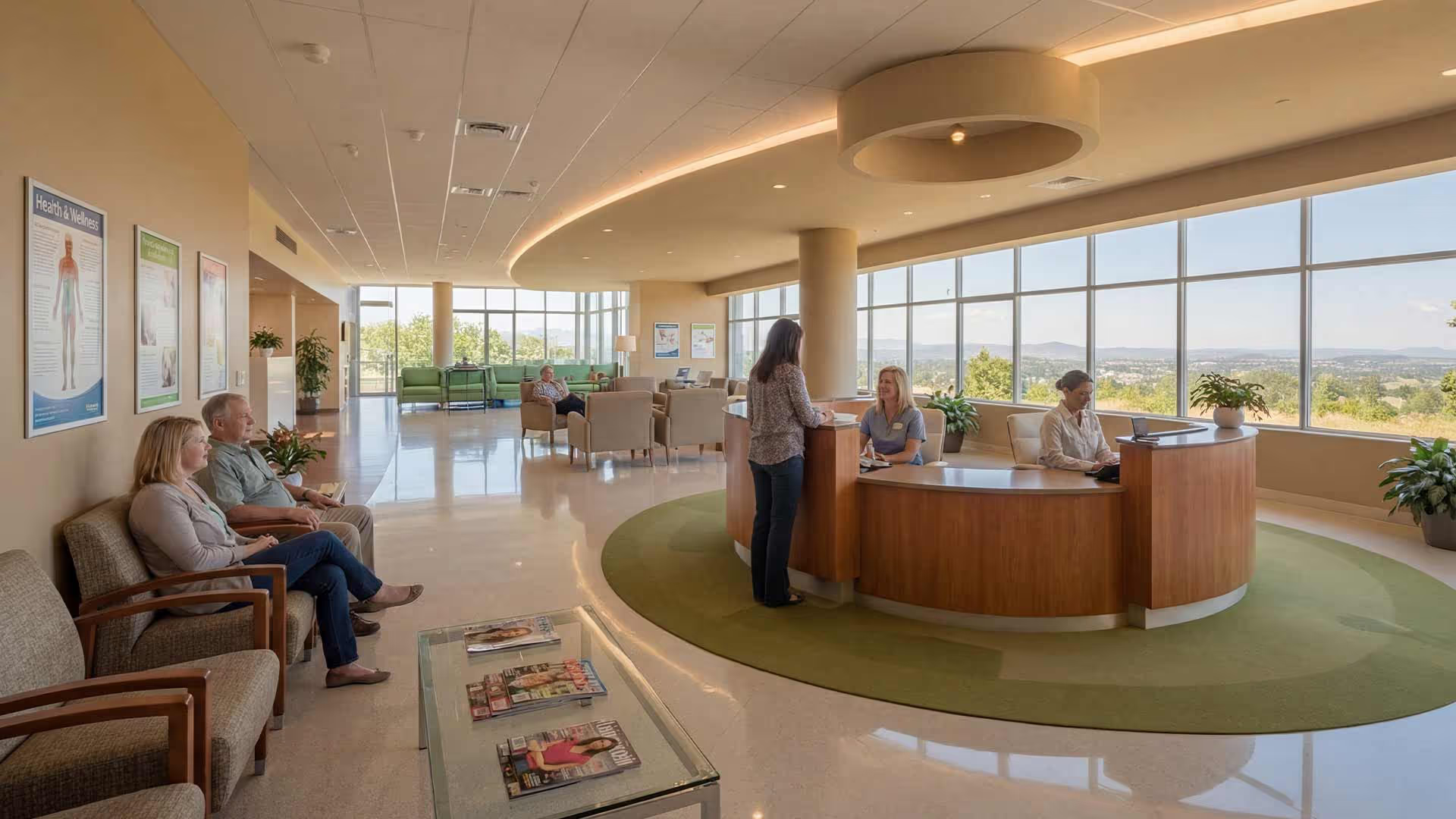
Don Ness (AIA, NCARB), HFA Director of Healthcare, frames medical office buildings as living reflections of the ebb and flow of healthcare.
“Doctors may leave the hospital system to start their own practice. Later, the system brings them back. Each swing creates a new need for flexible medical office building spaces,” he says.
These spaces today are far more than primary care clinics. They host specialized procedures, outpatient surgeries, advanced diagnostics, and wellness activities. This shift is reshaping the way communities receive care: what once required a hospital visit can now be delivered locally, efficiently, and safely. These buildings can be extensions of the hospital but designed for accessibility and convenience.
Engineering the Patient Experience
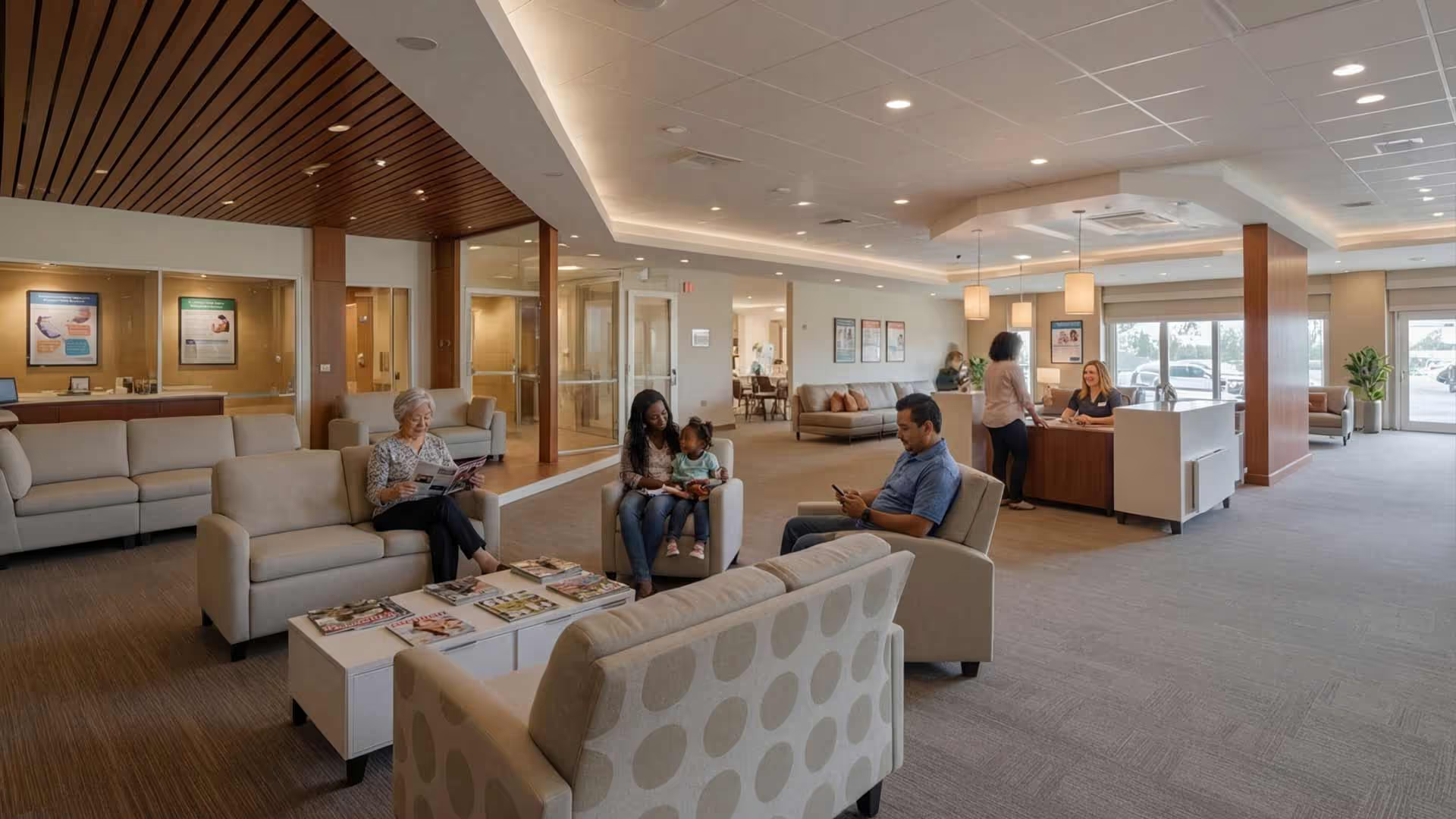
For Aric Reed (PE), Healthcare Engineering Program Lead at HFA, medical office buildings are as much about innovative infrastructure as empathy.
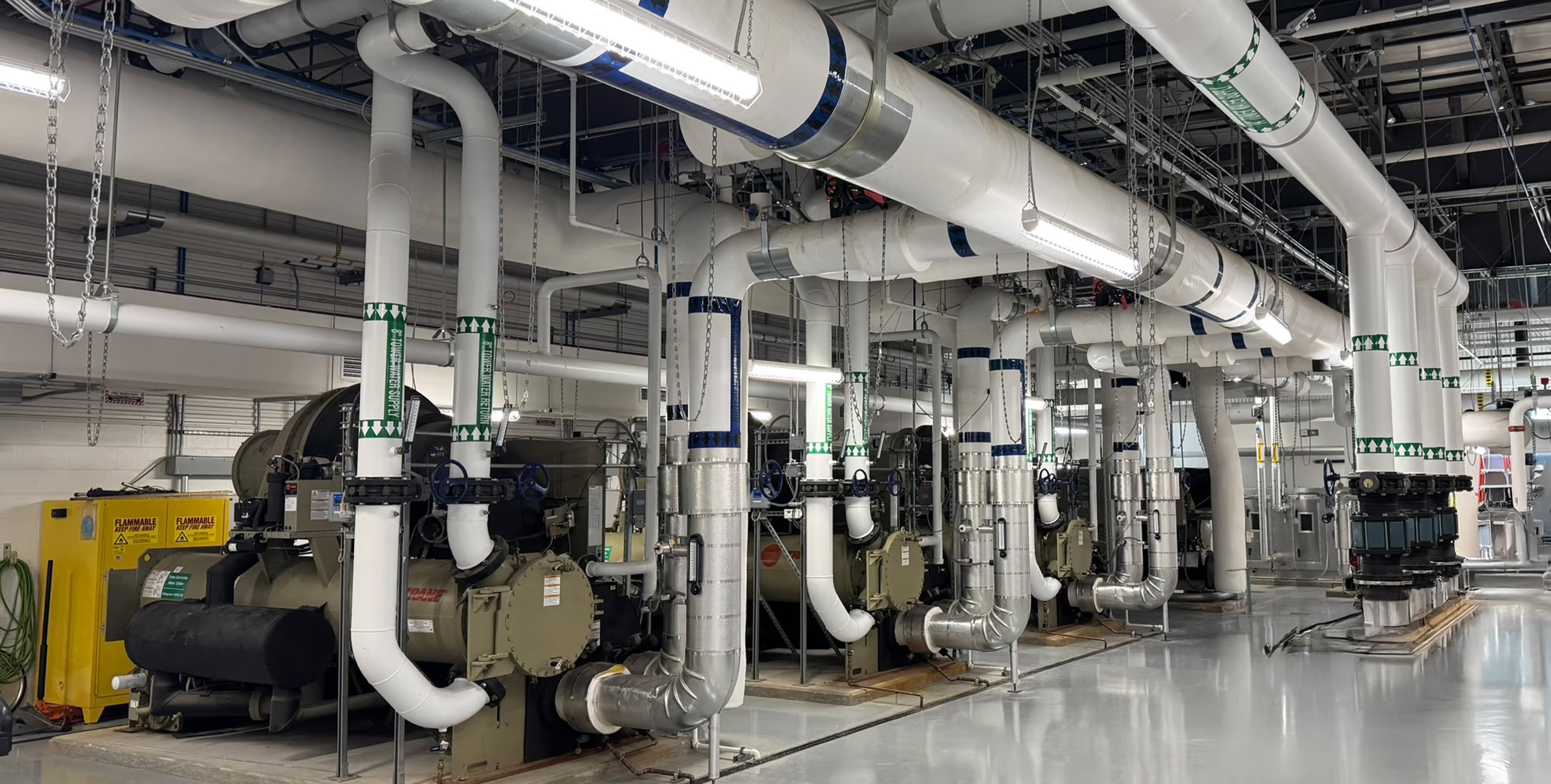
In rural communities and suburbs, hospitals operate on tight budgets, with limited staff and low patient volumes. That means every system (airflow, humidity control, lighting, plumbing) has to maximize comfort and create a safe environment without inflating costs.
Even the smallest details matter. The view through an exterior window, the placement of a diffuser, or the way air moves across the room can affect recovery and wellbeing.
“If you can perfect the layout once, you can repeat it over and over,” Reed says. “And that consistency is what patients and staff appreciate.”
Sustainability and efficiency are also front and center. Medical office buildings must balance energy and water usage with performance, ensuring that every system contributes to patient safety and comfort while staying mindful of long-term operating costs.
Design as a Strategic Tool
Design shouldn’t solely be aesthetics; it’s about solving problems and anticipating the future.
Sabal explains, “Every medical office building is an opportunity to rethink assumptions, test new workflows, and experiment with flexible, patient-centered solutions.”
From standardized exam rooms in rural settings to adaptable layouts for specialty procedures in suburban centers, HFA’s approach is always strategic. The goal is simple: create spaces where care is easier, faster, safer, and more accessible for both patients and providers.
The Bigger Picture
Medical office buildings don’t just serve patients, but also free hospitals to focus on high-acuity care, reduce congestion, and improve workflow for staff. They bring advanced care closer to home and make healthcare more equitable. They solve complex problems quietly, efficiently, and thoughtfully.
Medical office buildings are more than buildings. They are opportunities to innovate, challenge assumptions, and put patients first.
“Every project is a chance to rethink the problem,” Sabal says. “That mindset is what allows HFA to design facilities that are not just functional, but transformative.”
Healthcare is changing, and so are the spaces that deliver it.
Medical office buildings are no longer just convenient add-ons but are central to how communities receive care. Through thoughtful design, strategic planning, and meticulous engineering, HFA ensures that every project supports patients, empowers providers, and anticipates the future of healthcare.
Because at the heart of every medical office building lies the same goal that drives every project: make healthcare better, smarter, and closer to the people who need it most.
For more information about our work with medical office buildings or our other healthcare design experience, reach out to Paul Sabal (AIA, ACHA, NCARB, EDAC, LEED AP), Vice President / Healthcare Practice Leader at HFA. He can be reached at paul.sabal@hfa-ae.com.



.avif)