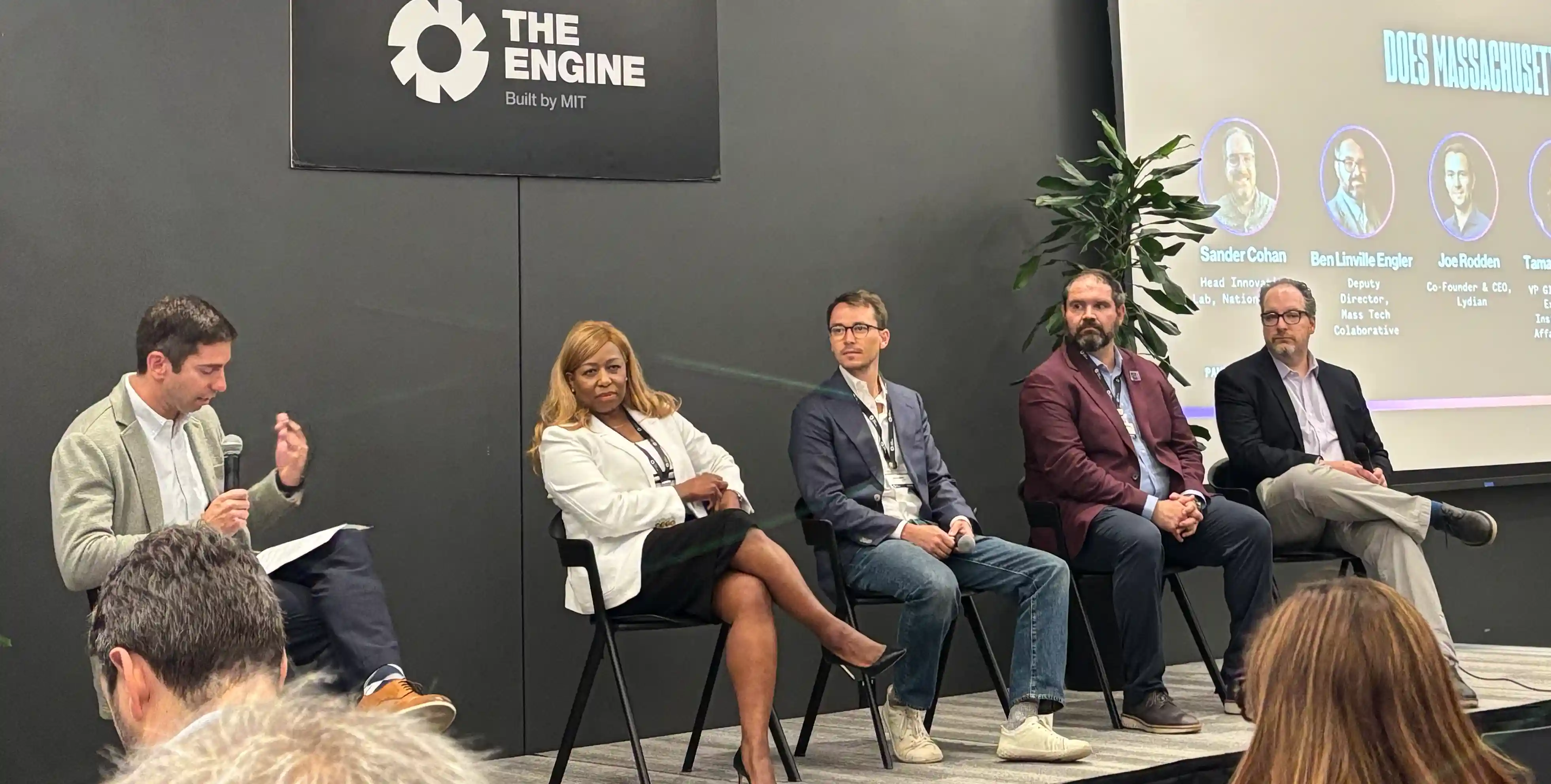
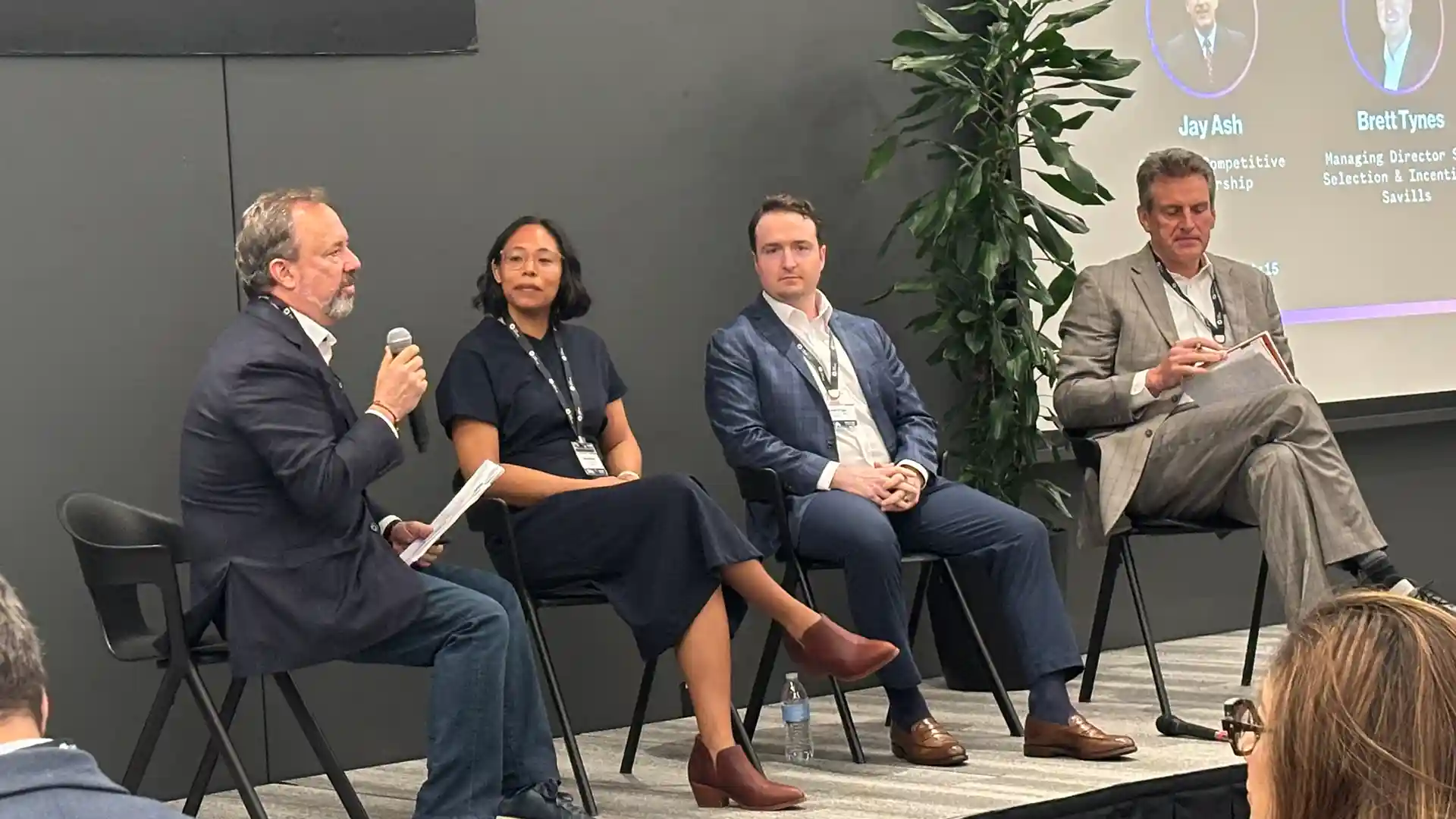
More than 150 leaders in policy, science, and entrepreneurship gathered at The Engine—MIT’s Tough Tech accelerator in June 2025—for a pivotal conference exploring two key questions: Does Massachusetts still lead in Tough Tech? And where must it win next?
The State of Play
Massachusetts has long been a magnet for deep tech innovation, with leading universities, biotech giants, and world-class research. Yet, as startups like one climate-tech firm pointed out, critical infrastructure gaps—such as power availability—are forcing companies to build elsewhere.
While the Mass Leads Act signals strong state support, leaders warned that high business costs, complex permitting, and inadequate manufacturing readiness threaten the state’s position. States like Texas and North Carolina are attracting startups with lower costs, accessible land, and faster build-out timelines.
HFA’s experience closely aligns with the insights shared by the conference speakers — we’re observing a clear trend among our Massachusetts-based clients exploring out-of-state opportunities, particularly for production manufacturing. However, a significant number still choose to remain and invest locally. For clients pursuing relocation or expansion, we partner with specialized firms focused on site selection and incentive negotiation to strategically support their real estate decisions. As architects, we play a critical role in shaping these projects: translating client goals into tailored programs that align with budgetary requirements while maximizing value and efficiency.
Where Should Massachusetts Win?
The conference panels called for:
- Greater investment in climate tech, AI, and advanced manufacturing
- Improved permitting processes and lower operational friction
- Vocational training to grow the technical workforce
- Repurposing existing buildings for industrial use—with power, logistics, and permitting in mind
- Enhanced accessibility through improved roads, expanded public transportation, and additional transit options connecting areas beyond Greater Boston for decentralized development
- Supporting startups graduating from their incubator spaces by guiding them through establishing their first R&D lab and cGMP space, streamlining the entire process
As architects and engineers, we fully support the panel’s recommendations and have collaborated closely with developers, actively participating in working sessions to address the challenges identified by the panelists. This has led to successful outcomes, including at a manufacturing site and recently with a battery manufacturing firm selecting a site in Massachusetts.
While there can be friction when aligning the interests of state agencies, brokers, and developers, we’ve found that when the ecosystem comes together, remarkable results are possible.
The AEC Industry’s Role in Tough Tech
Architects can be powerful allies in reshaping the Tough Tech landscape. From designing flexible, power-ready spaces to reimagining underused buildings for scale-up needs, architecture directly influences time-to-market and startup viability. Architects who understand regulatory hurdles, utility demands, and the unique needs of science-based ventures can help streamline the path from prototype to production.
A Design Challenge Worth Solving
Massachusetts has the ingredients to lead—but leadership must be intentional. As one panelist said, “We can’t build the future if we don’t build for it.” We call upon architects, policymakers, and technologists to collaborate now to ensure that the next generation of transformative companies can grow and stay in the Commonwealth.
Emma Pina is a Senior Team Lead at HFA, supporting our Science + Technology sector. To reach out directly to Emma for more information on our projects based in Massachusetts, email her at emma.pina@hfa-ae.com.

.avif)
.avif)