As hospitals cope with mounting pressures like declining reimbursements and the shortage of skilled labor, they are experimenting with solutions that range from AI ambient dictation and virtual medical receptionists to self-driving wheelchairs and even autonomous hospital beds.
But human connection is essential to the healing process. Without the right balance between automation and face-to-face care, patients could feel alienated, lonely, and frustrated. This could even affect their health outcomes and patient-satisfaction scores.
HFA Vice Presidents Nicole Poole (AIA, NCARB, LEED AP) and Paul Sabal (AIA, ACHA, EDAC, NCARB, LEED AP) believe hospitals can offer the best of both worlds by embracing the guest-centric logic that is a hallmark of hospitality design. Poole leads the firm’s Hospitality + Entertainment group and Matchstick concept-design service for retail and hospitality clients. Sabal is the Healthcare Practice Leader.

Use tech to reduce stressful unknowns
People always need to feel seen and supported, but this is especially true in hospitals and clinics where they or their loved ones could be facing serious medical challenges. Uncertainty often compounds that stress. Imagine a patient sitting in a packed waiting room wondering why he feels so dizzy and short of breath, or a mom sitting in an ER with no idea when the doctor will see her child.
As Poole and Sabal see it, new automation technologies can either reduce or exacerbate such uncertainties depending on how well they are integrated into the built environment.
They point to the concept of self-rooming as both an opportunity and a challenge on this front. Some physicians and consultants believe technology will soon eliminate waiting rooms: You make your appointment, check in on an app and/or a kiosk, and walk right to Room 12, where the nurse is ready to take your vitals.
“Self-rooming could be very convenient for Gen Z digital natives, but you have to think about how it will work for those who are less comfortable with technology,” Poole said. “The design team really needs to walk through precisely how all users will experience this journey. For example, what if someone lost their phone or only has their Apple Watch? If there’s an elderly person who doesn’t want to deal with that system, do you have options for them?”
As they put themselves in the shoes of self-rooming patients, healthcare designers should focus on key “micro-moments” in that journey, Poole said. She points to the way operators like Disney Experiences and The Ritz-Carlton Hotel Co. make guests feel special at key touchpoints.
“It starts when you walk in and see a friendly face and continues to that moment when you enter your room,” Poole said. “Have your design team look for ways to make those touchpoints welcoming, with tech and design working hand-in-hand.”
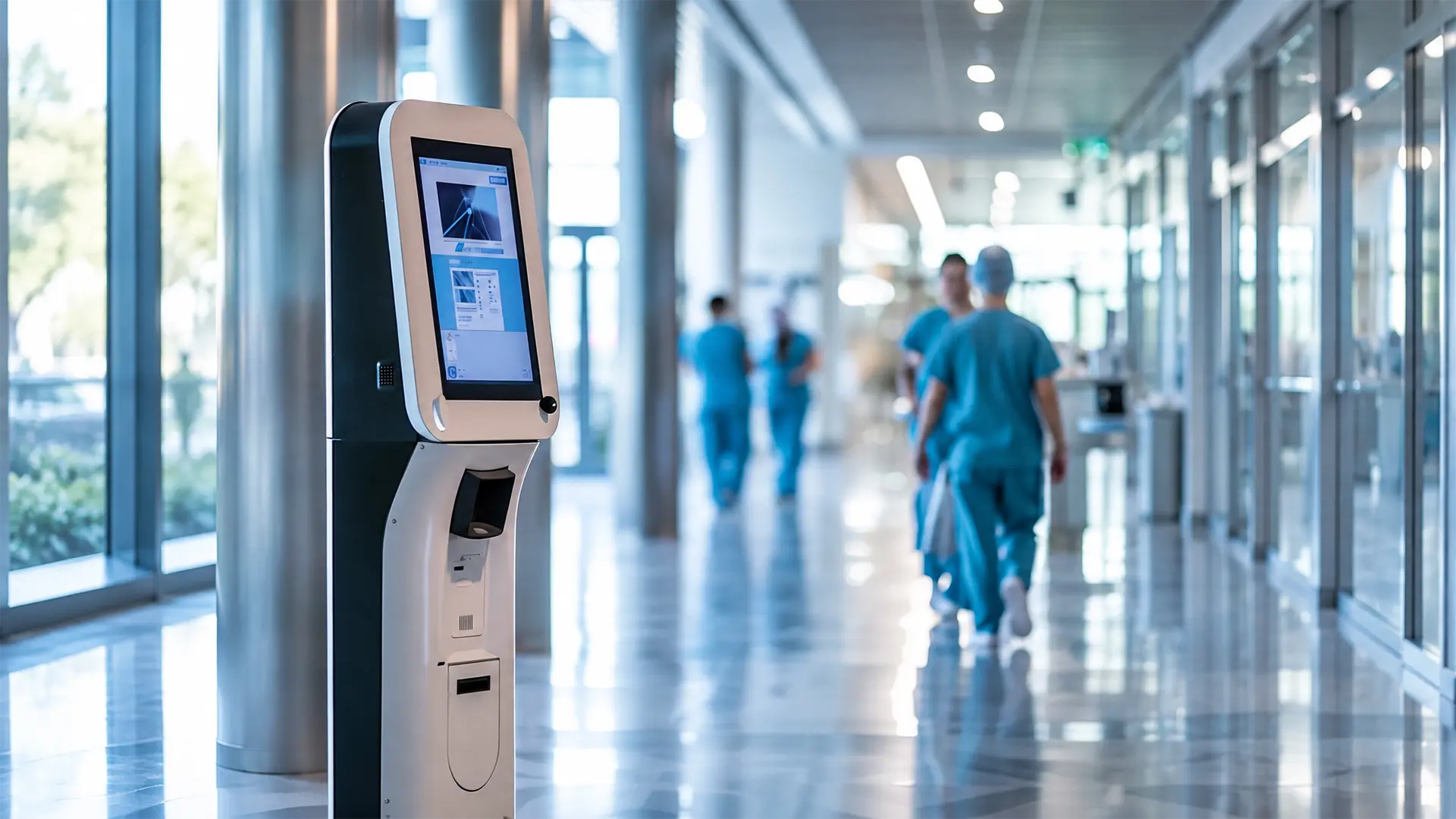
Wayfinding cues, for example, could be synced with a location-enabled interactive map of the building. “Major hospital systems are already using apps to show patients exactly where they need to park in the deck to be close to their appointment,” Sabal noted. “Why not continue that inside the hospital and make use of the physical infrastructure?”
The design team could map out that route so that both on-screen and color-coded physical cues work together to help patients along. “You want that patient to say, ‘Hey, we’re going the right way. This is the orange level just like on my phone,’” Sabal said.
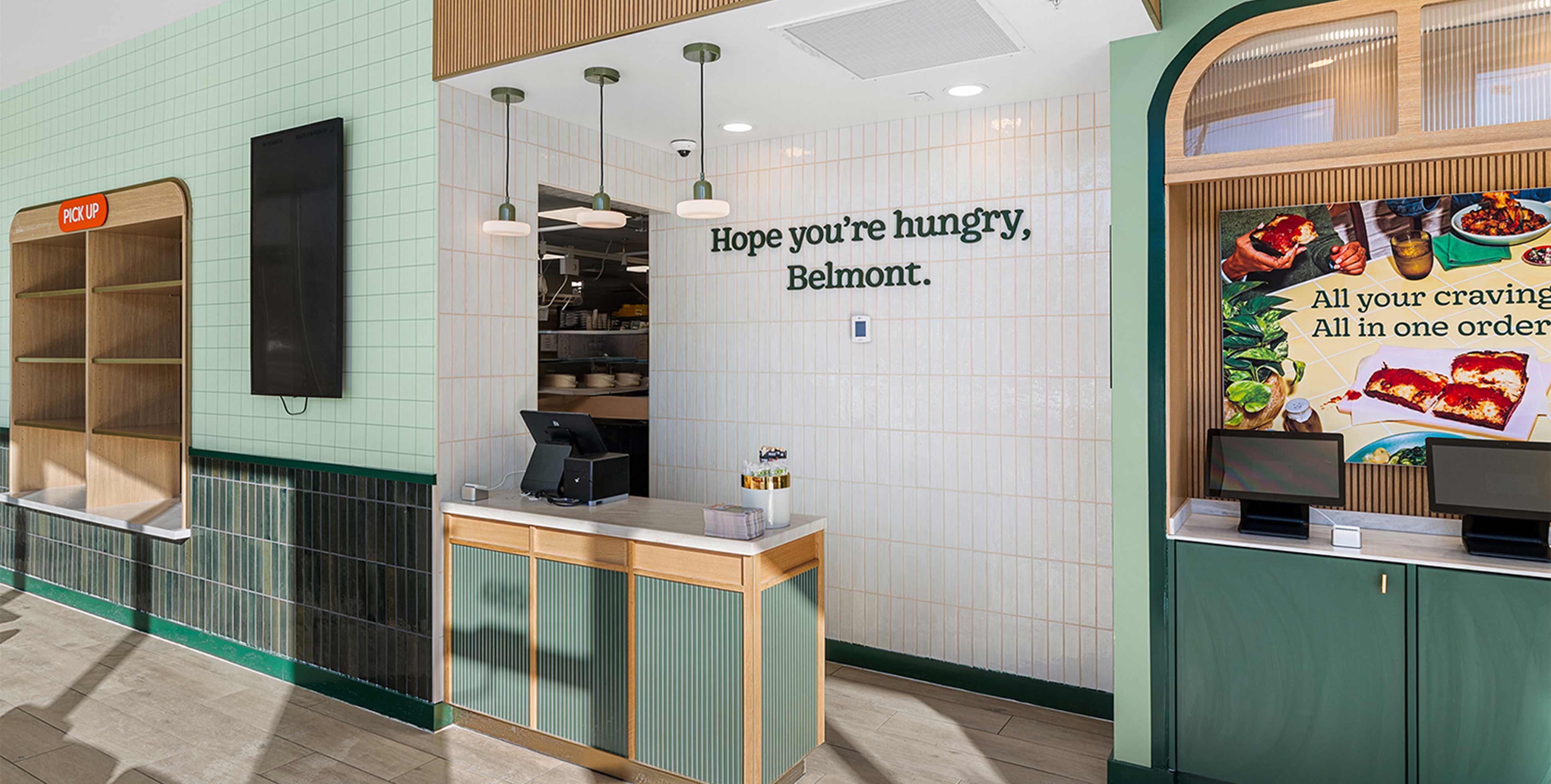
Both the physical and digital components of the experience should feel cohesive, sharing the same logo system, color palettes, typography, voice guidelines, and imagery styles.
Programming also can be used to support the technologically hesitant. One healthcare system now offers multi-day classes for patients who struggle with today’s digital ecosystems. “Many of them are older, and they come to the hospital to learn how to set up profiles, access patient portals and check in for their appointments in the system,” Sabal said. “In exchange, they get brand-new tablets. It’s a great idea.”
Designers can support such efforts, Poole added, by creating learning spaces that are inspired by seminar and meeting rooms at high-quality hotels and resorts.
Zero-in on the emergency department
In busy and often short-staffed emergency departments, waits are inevitable. But as noted by NIH research, technology promises to speed things along. Digital information systems can provide transparency into things like when patients can expect to be seen, where they will go in the building, and their doctor’s name and specialty.
This is a welcome, stress-reducing development, in Poole’s view.
“Imagine waiting at an airport gate without any information about the arrival time of your flight,” she said. “Hospitals need to make communication central to both the physical and digital experiences that people are having in that space. And of course, the communications themselves need to be accurate, clear and consistent, delivered in ways that are reassuring.”
As NIH has observed, moving forward automated technologies will be central to the experience of receiving care. Patients might be outfitted with wearable vital sign monitors, informed that AI ambient dictation is listening in on their doctor-patient interaction, or told that an AI tool will evaluate their condition and recommend some next steps. “If these systems are buggy, confusing or lack strong data security protections, this could undermine patient trust,” Poole noted.
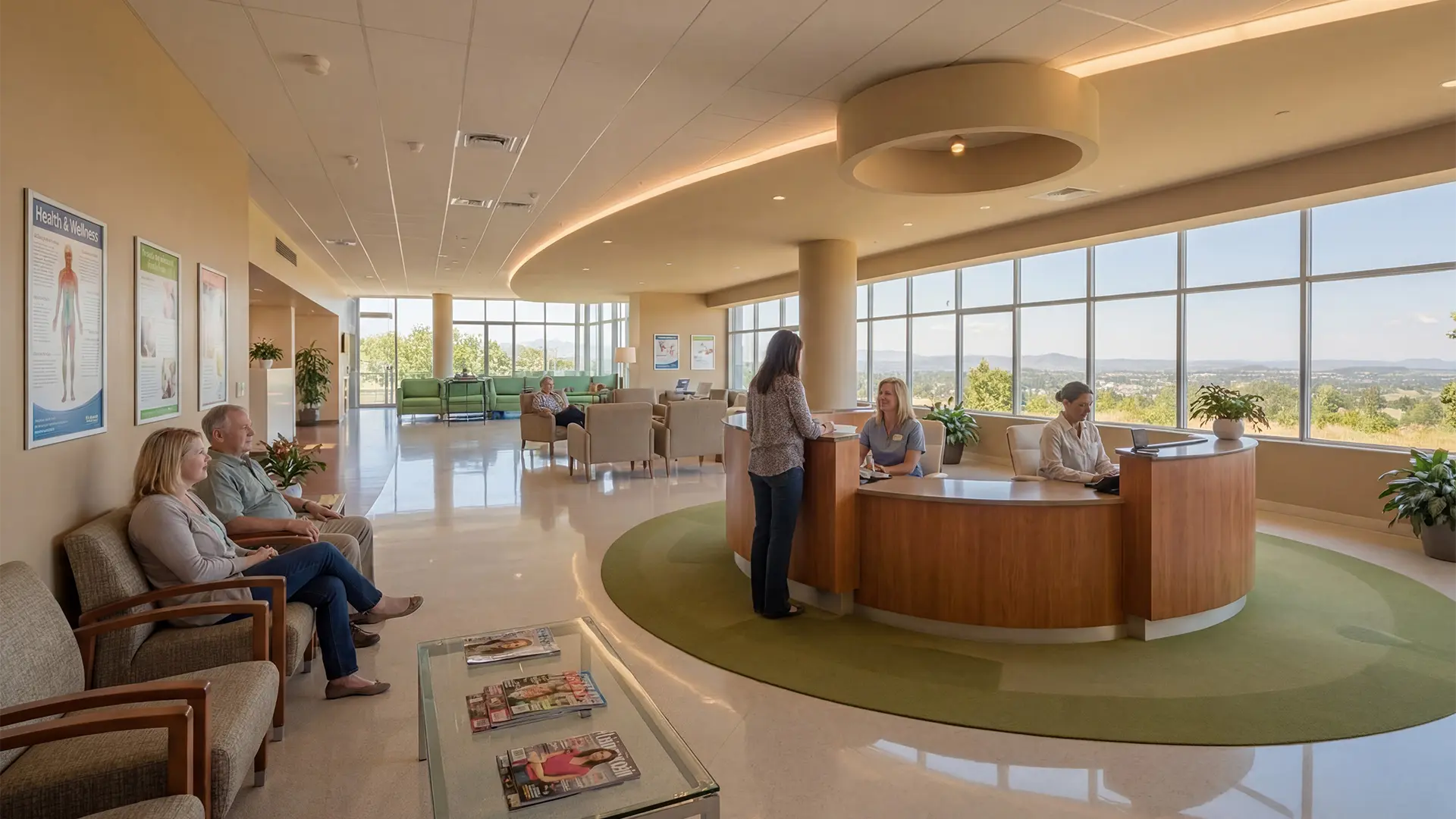
Likewise, the condition of the physical space also sends a message—whether intended or not—to patients, staff and providers, Poole said. She recalled visiting a poorly designed emergency waiting room in the Midwest a few years ago. “Emergency patients and their families had to sit in plastic chairs in a dingy hallway with blinking fluorescent lights, and the staff was behind security glass,” Poole explained. “You want every part of that experience to reflect a deep sense of care, which is part of our role as designers.”
Borrowing in part from best practices common to spas and resorts, designers can help convey the hospital’s people-first focus by using elements such as:
- Attractive finishings, flooring and color palettes, with natural light and gentler LED lighting
- Comfortable and durable furniture
- Calming plant walls and/or semi-private, pod-like seating
- Nice touches such as phone chargers, bottled water and proximity to vending machines or cafés
Technology can create new possibilities here as well, Sabal said. “Imagine an emergency department that is adjacent to a sanctuary-like outdoor area,” the architect said. “By keeping families digitally connected and updated, the hospital could allow them to step outside and get away from the stresses of that intense environment.”
The healthcare industry veteran said many emergency departments also are using ambassadors to help patients feel more at ease. “Your design team can carefully map out the day-to-day pathways of these important personnel to make them as visible and accessible as possible,” he noted. “It’s something that HFA’s hospitality team does every day for major, high-traffic operators.”
Create nourishing respite and collaboration spaces
Automation, robotics, and AI are tools for giving back precious time to healthcare providers. Freed from spending 20 hours a week on manual charting, a doctor can focus on diagnostics. Thanks to an RFID-enabled inventory system, a nurse can chat with patients instead of counting gloves in a supply closet.
Hospitals stand to bolster patient satisfaction scores as well as employee retention by using technology to reduce this kind of drudgery, Sabal said. However, healthcare decision makers need to recognize that AI anxiety is running high in the workforce and society at large.
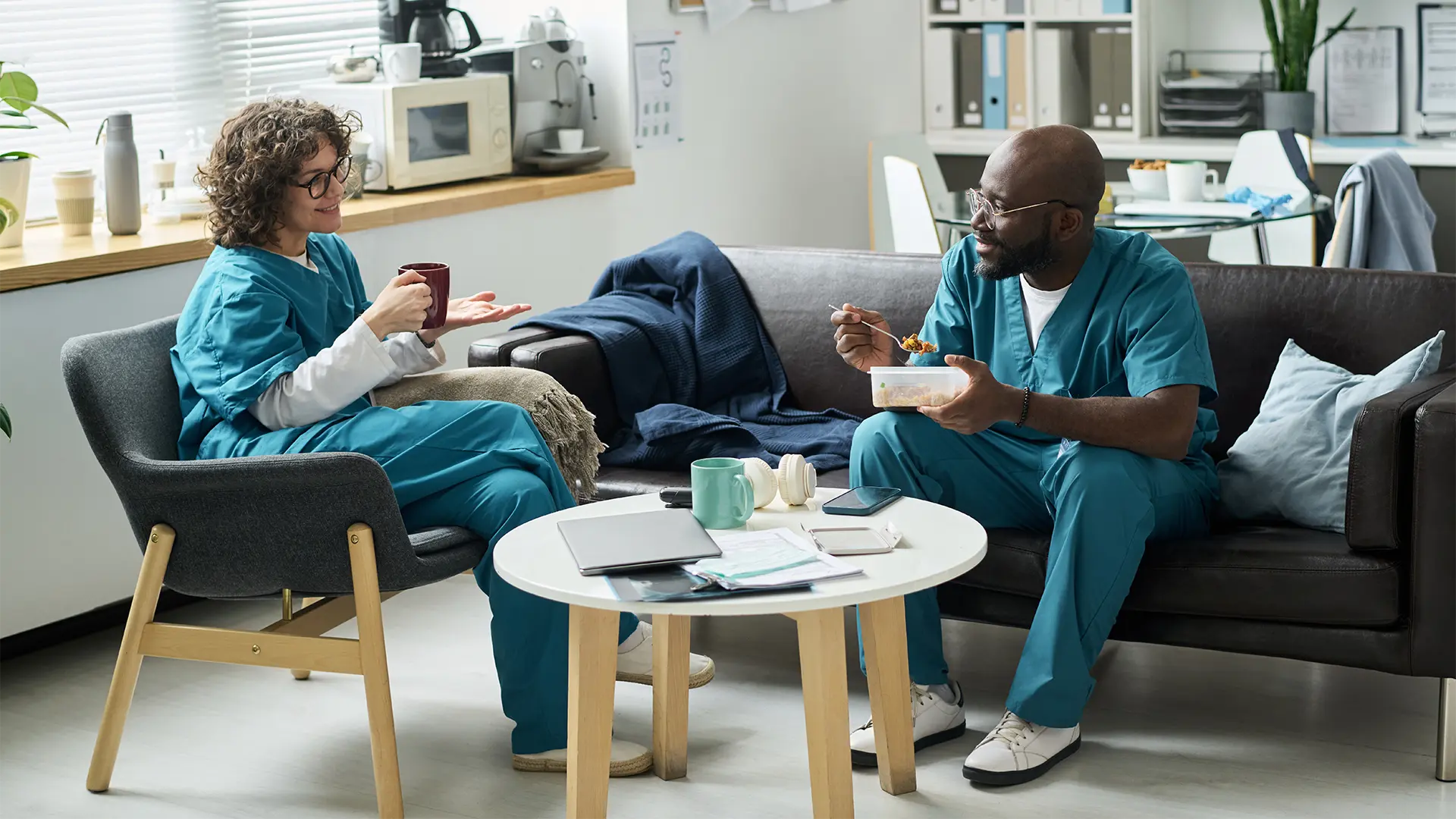
“You need to reassure your teams that these are tools, not replacements,” Sabal noted. “One way to convey that employees are truly valued is to invest in thoughtfully designed spaces that offer them some respite and opportunities for collaboration.”
These areas should be physically away from the action, Sabal advised, yet close enough for providers to quickly respond when needed. Options include private, outdoor courtyards with patio seating, shade umbrellas and abundant plants and flowers, or private interior spaces that call to mind a nicely appointed hotel lobby rather than a utilitarian teacher’s lounge.
“Ask your designers to integrate communication, research and continuing education technology resources into these spaces for providers,” Sabal advised. “It makes their lives easier and helps them get more comfortable with these tools.”
Introduce guest-centric thinking early in the planning process
For its 2026 Future Health Index, Philips surveyed approximately 2,000 healthcare professionals and 20,000 patients across 10 countries. The focus was on how healthcare organizations are using AI to regain time, expand capacity, and improve care. But while the report is packed with bullish stats on AI gains, it notes that 70% of healthcare professionals regard AI training as “inadequate, inconsistent or unavailable.” Meanwhile, in a 30-country Ipsos survey published last year, 53 percent of respondents said AI tools “make me nervous.”
Given how many basic experiences stand to change, these signs of unease should not be ignored. Sabal and Poole believe the patient and provider experience needs to be at the forefront as healthcare companies continue to roll out AI, automation and robotics.
Executives, technologists and multidisciplinary architects and engineers should collaborate as early as possible in the planning process, homing in on exactly who will be using these spaces and how each design decision will make people feel.
As these shifts gain momentum, it makes sense for healthcare companies to emulate what the best hotels, spas and resorts get right day after day, Poole concludes. “They’re always using design, employee training and technology to communicate the same basic message to the people who visit their spaces: ‘Welcome. We’re ready for you.’”
####