.avif)
Nightlife is changing. As more than 60% of Americans now view dining out as a special occasion, consumers are becoming far more selective about where they spend their time and money. From value-driven promotions to one-night-only menus and immersive environments, guests are looking for experiences that feel intentional, social, and worth leaving home for.
Kevin Hayre, HFA Hospitality Team Lead, and Egle Gornick, Senior Designer at HFA, are seeing these shifts take shape across food, beverage, and social entertainment projects nationwide. Together, their insights point to a future where flexibility, connection, and experiential value define long-term success.
Experience Is the New Baseline
Consumers are craving novelty, but not novelty for novelty’s sake. Curated experiences such as chef’s tables, tasting menus, themed nights, and pop-up beverage programs are gaining traction because they give guests a clear reason to choose one venue over another.
Hayre notes that Gen Z and Millennials are especially drawn to shared plates, early dining, happy hours, and value-driven promotions. These experiences are no longer add-ons. Promotional package offerings are central to how some consumers plan their evenings and socialize.
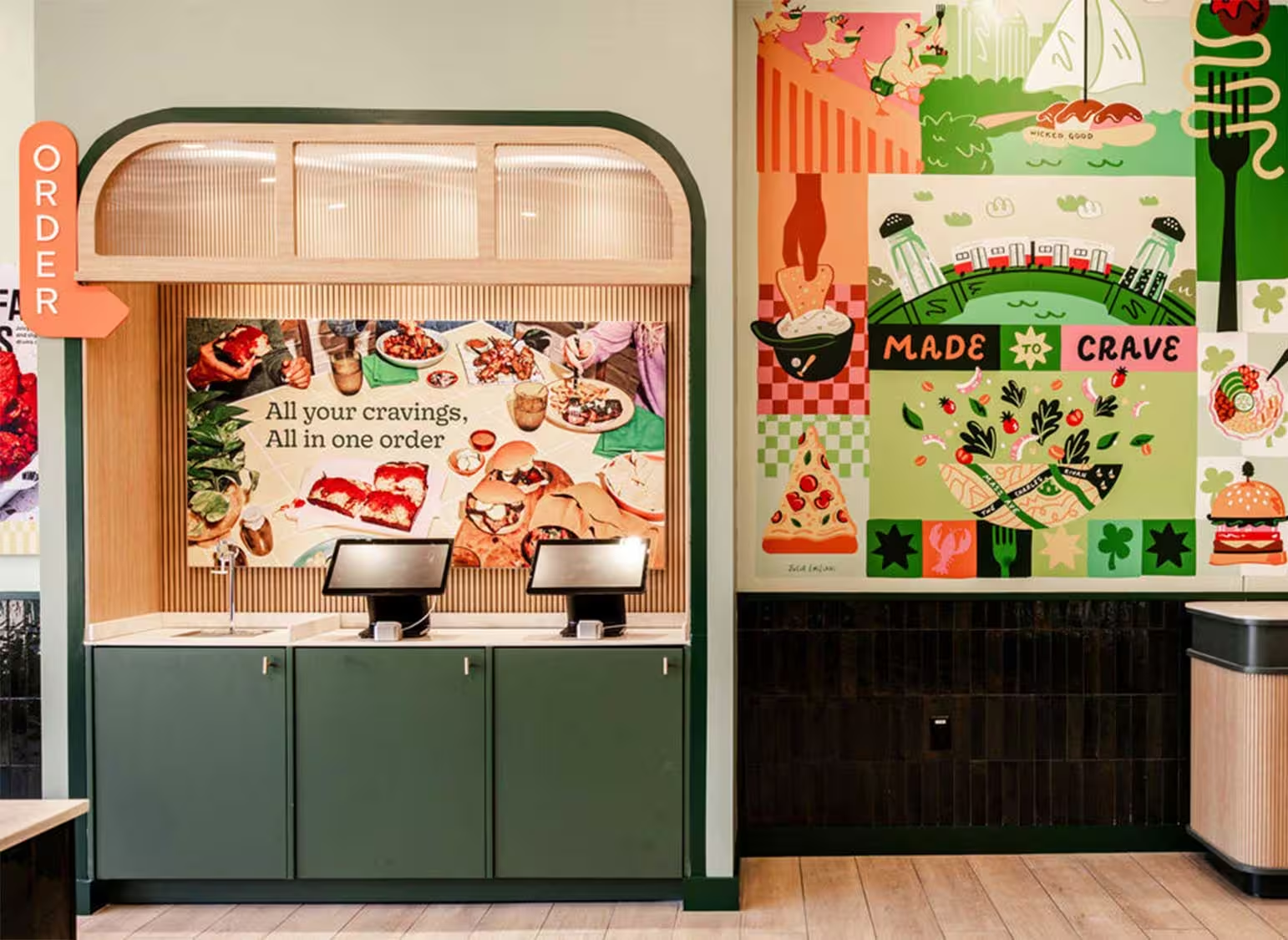
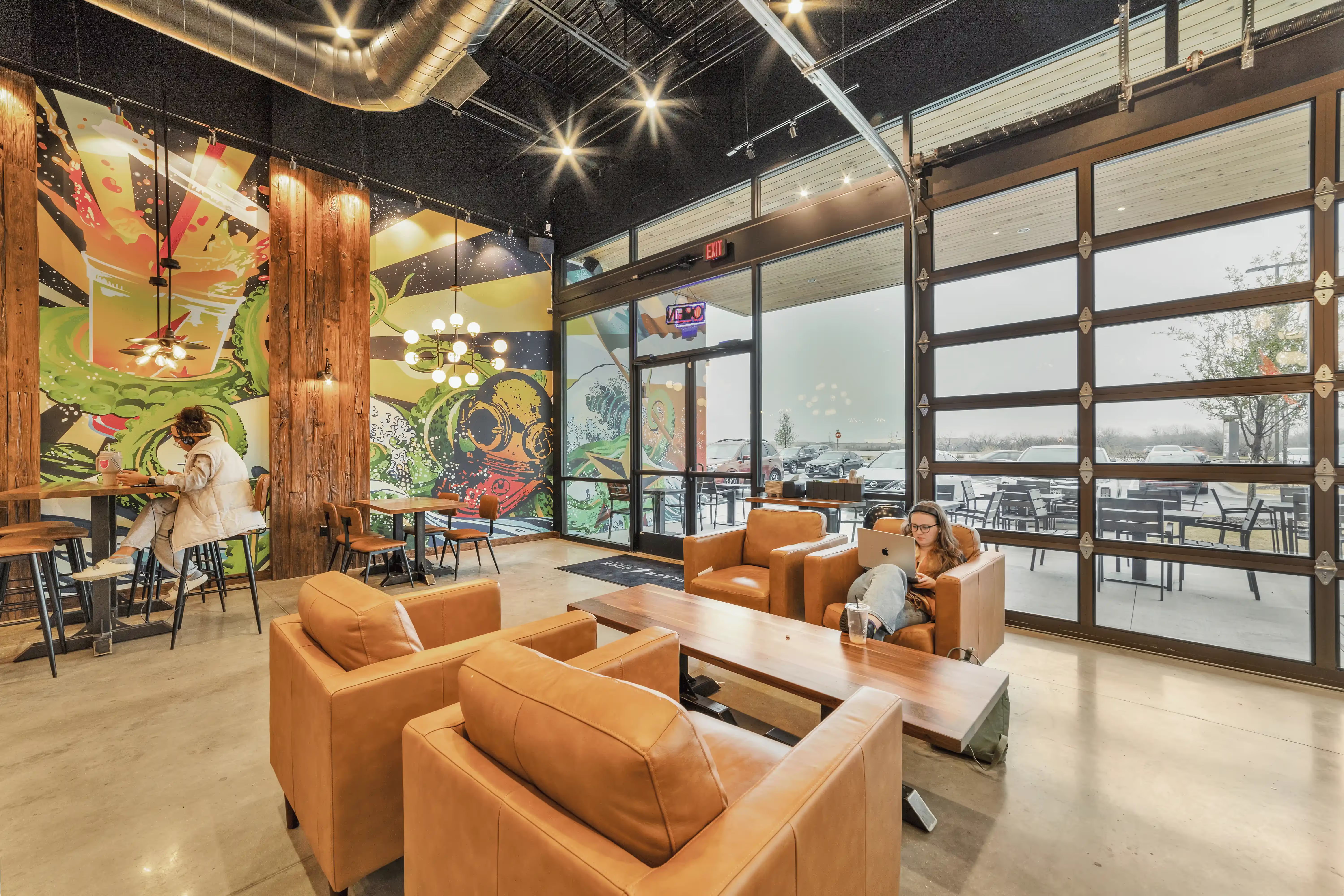
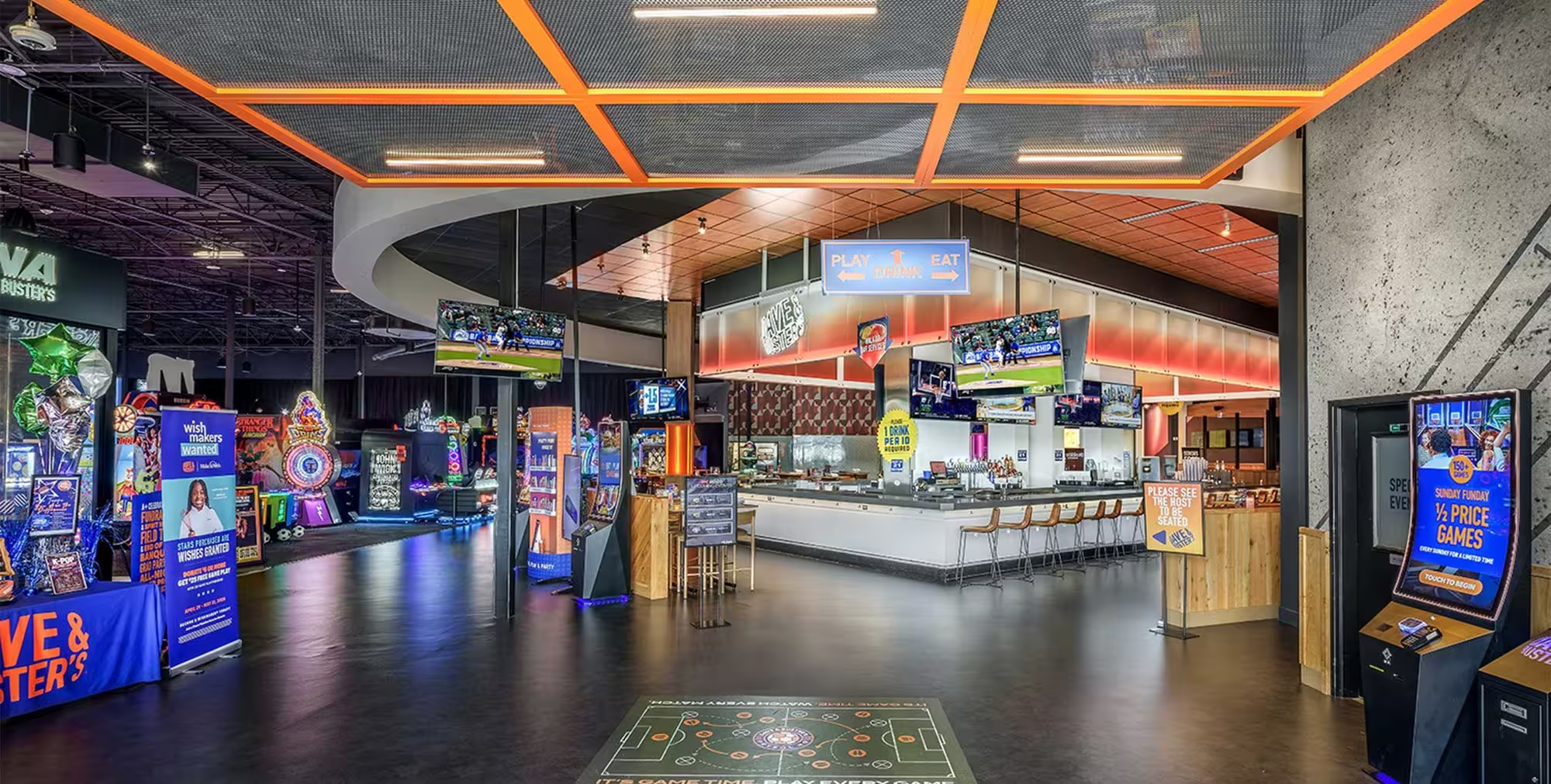
Visual appeal is also critical. Social platforms and influencers have effectively replaced traditional search engines for dining and entertainment discovery. Social-media-worthy moments are now a core part of how venues are found and shared. Murals, statement walls, custom lighting, and bold focal points are no longer optional. They are fundamental to brand recognition.
.avif)
Designing for Connection
Long-term success in social entertainment depends on how a space makes people feel. Guests return not just for games or food, but for the sense of togetherness a venue creates.
Designing for connection means creating spaces that support different group sizes and energy levels. Comfortable, flexible seating allows families, friends, and larger groups to gather naturally. Clear spatial flow helps guests move easily through the space, while layered experiences keep them engaged over time.
Outdoor spaces have also become essential. Patios, park-like entry areas, and indoor-outdoor transitions are now designed with the same level of intention as interiors. These spaces extend the experience, increase dwell time, and often shape a guest’s first impression before they even walk inside.
What Often Gets Overlooked
In complex social entertainment venues, small design decisions can have an outsized impact on guest experience.
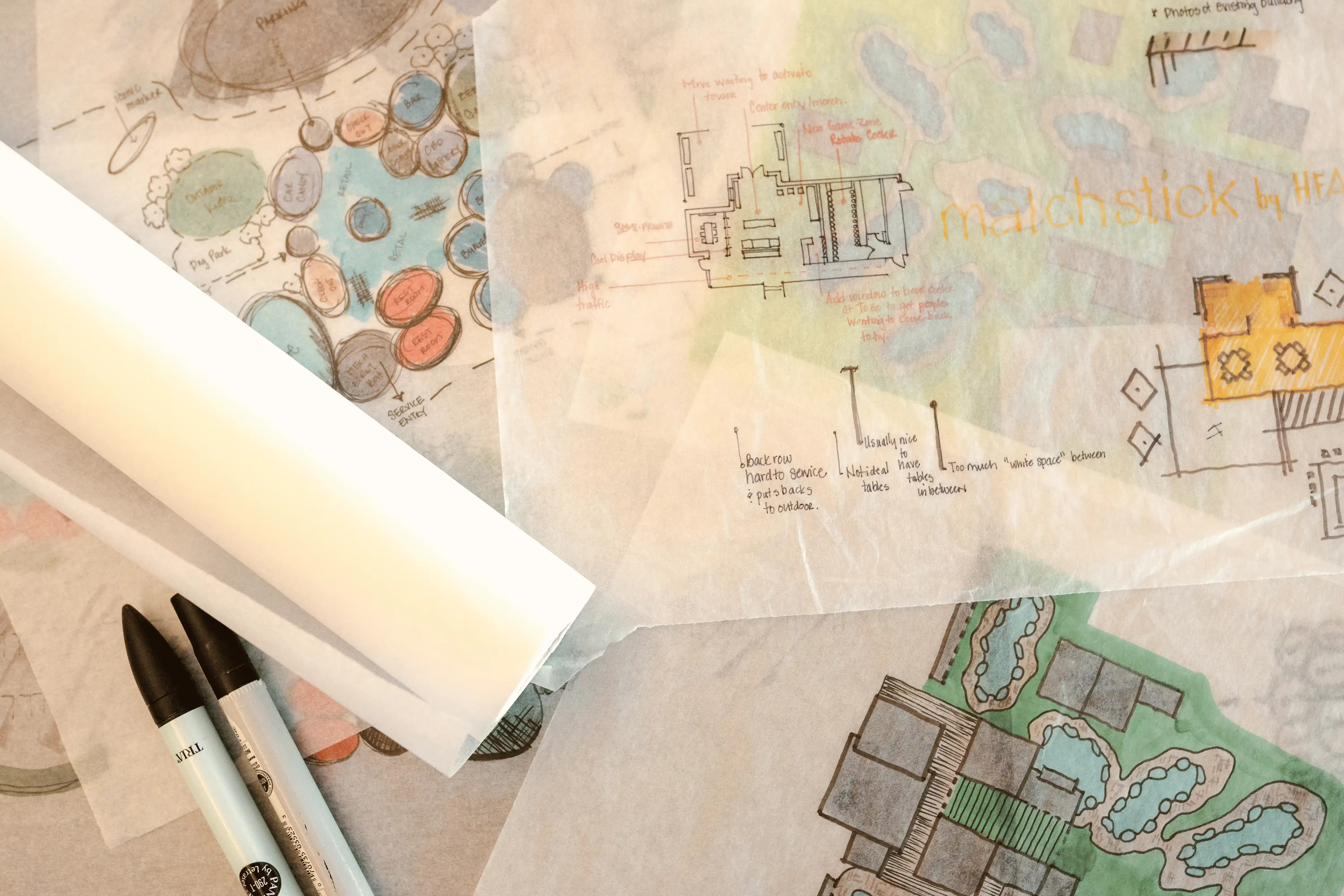
Spatial flow and circulation are frequently underestimated. Aisle widths, sightlines, and movement patterns determine whether a space feels intuitive or frustrating. Wayfinding must be considered from the earliest design stages so guests never feel lost in multi-program environments.
Sensory design is another common blind spot. Sound, music, acoustics, lighting, and even smell play a critical role in shaping the atmosphere, yet they are often treated as secondary considerations. When done well, these elements create cohesion and memory.
Gornick also notes the risk of over-programming. Adding too many activities can dilute a concept’s identity. If guests cannot easily explain what a venue is, the experience becomes unclear and less compelling.
Flexibility as a Strategy for Longevity
The most resilient social entertainment concepts are built to change. Rigid, single-purpose venues struggle to keep pace with evolving consumer behavior.
Today’s successful spaces are designed for flexibility, allowing operators to adapt without constant renovation. Modular furniture, movable partitions, and convertible indoor-outdoor areas allow a single space to serve multiple functions throughout the day and night, regardless of weather or season.
Hayre points to a growing shift away from ground-up development toward adaptive reuse. With significant existing space available, architects are increasingly challenged to fit concepts into existing buildings rather than applying a fixed prototype. This approach not only supports sustainability, but also results in a more distinctive, place-driven design.
Yet, designing for maximum flexibility in a pre-existing space brings a unique challenge. Finding a site that strikes a balance is key, and something especially important for social entertainment venues. Hayre said additional time on the front end and finding the right existing building is essential, and clients may find themselves in a new stage of test-fitting potential sites to make sure it fits all their needs.
Rooted in Place
Even as brands scale, guests are drawn to spaces that feel authentic to their location.
Integrating local art, regional beverages, and references to local culture or architecture helps create a sense of place. These details make the experience feel personal and reinforce the idea that guests are supporting the local community.
Technology That Enhances the Experience
Technology continues to reshape how guests interact with venues. AI-driven menus, contactless ordering, and mobile payment options are becoming expectations for some diners, while others still prefer traditional service.
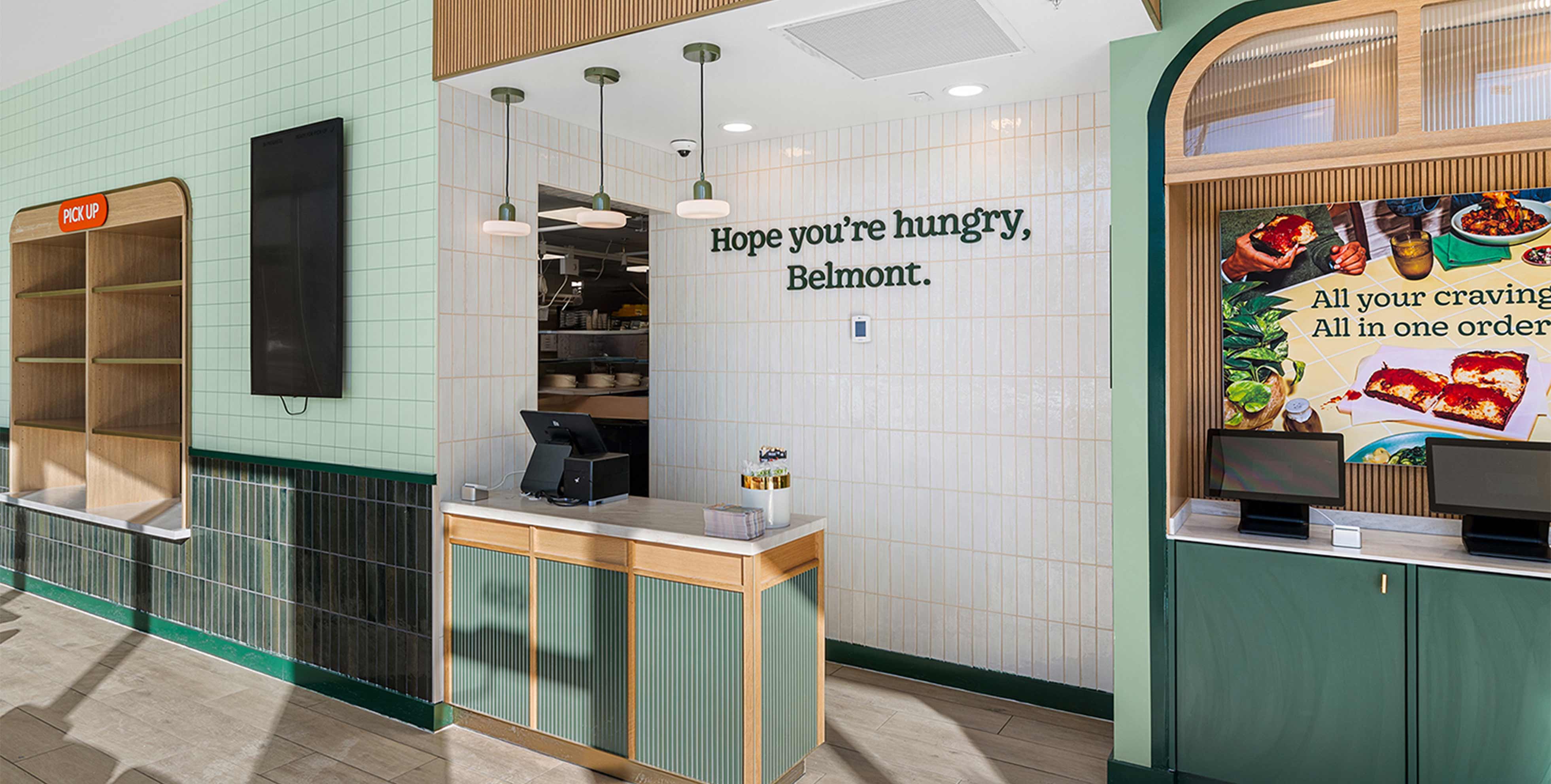
The key is flexibility. Successful venues offer choice, using technology to reduce friction and improve decision-making without removing hospitality. QR code menus, digital signage, check-in screens, and self-serve kiosks all offer the adaptability today’s consumers expect.
Looking Ahead
Post-pandemic behavior continues to shape the future of social entertainment. People are seeking connection, comfort, and experiences that feel both familiar and fresh. Wellness-oriented activities, nostalgic games, outdoor social zones, and limited-time programming are increasingly used to drive repeat visits and emotional loyalty.
The common thread is clear. Social entertainment venues that prioritize flexibility, connection, and experiential value are best positioned to remain relevant. Designing for change is no longer nice-to-have. It is the foundation for long-term success.
.avif)

(1).avif)


.avif)